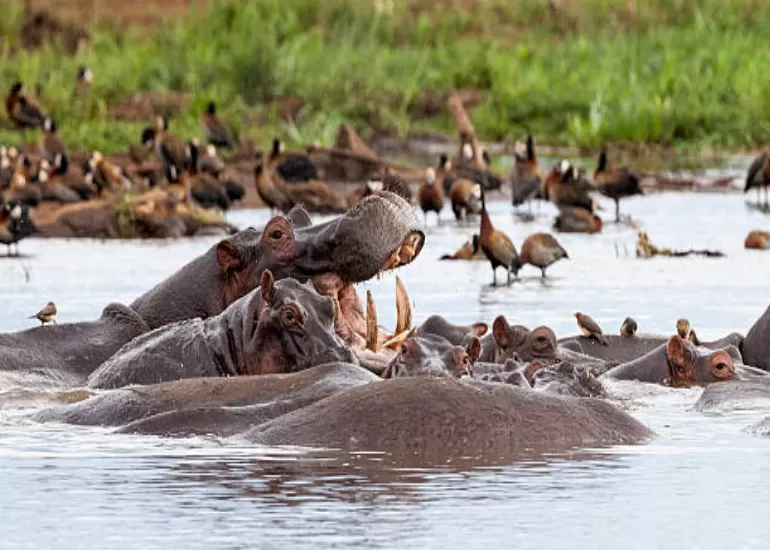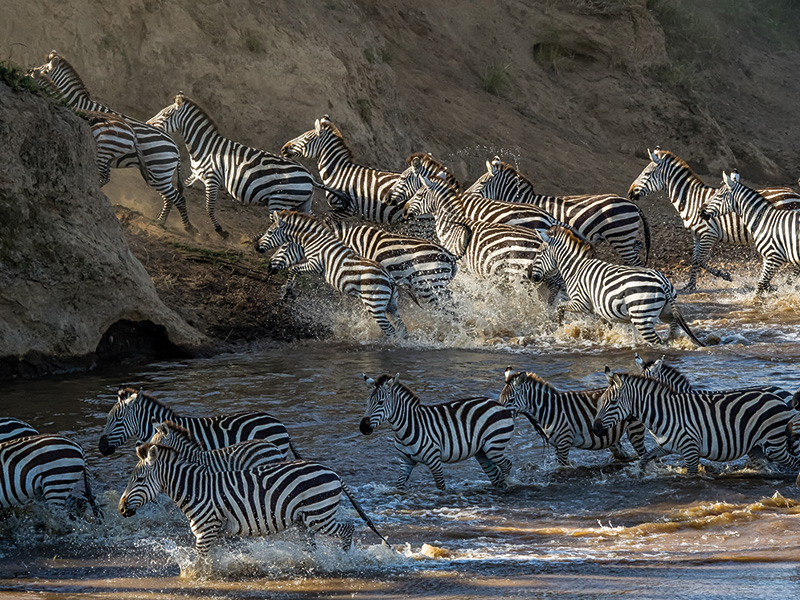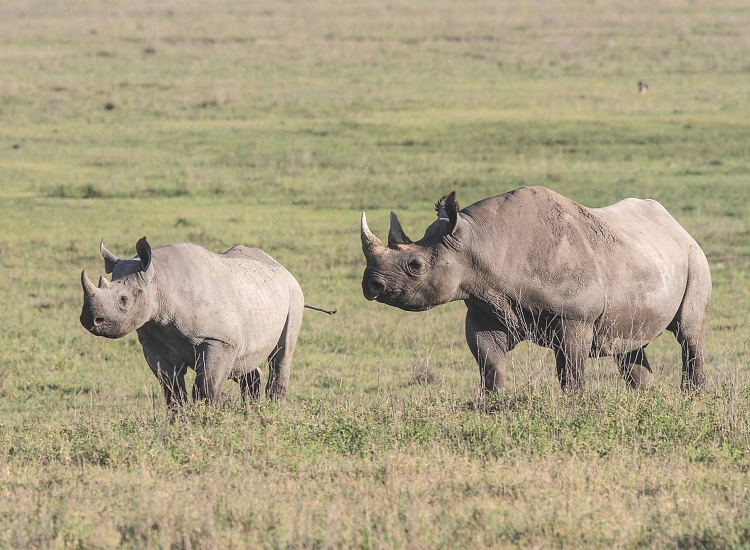
The jewel of Ngorongoro is its spectacular volcanic crater, formed nearly 2.5 million years ago. It’s the largest un-flooded, unbroken caldera in the world spanning about 20 km across, plunging 600 meters deep, and covering some 300 sq km. The Ngorongoro Crater is truly a breathtaking natural wonder.
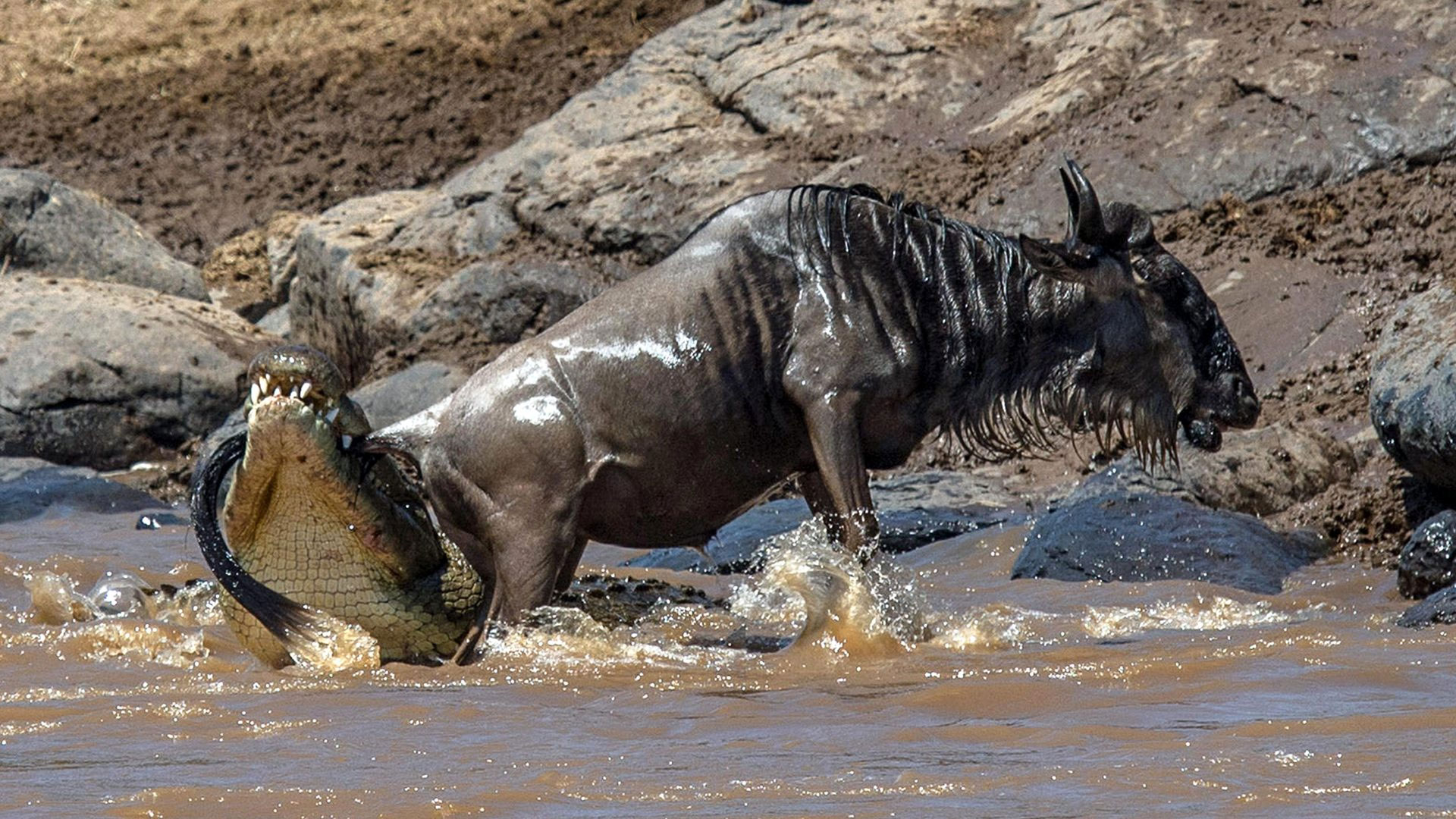
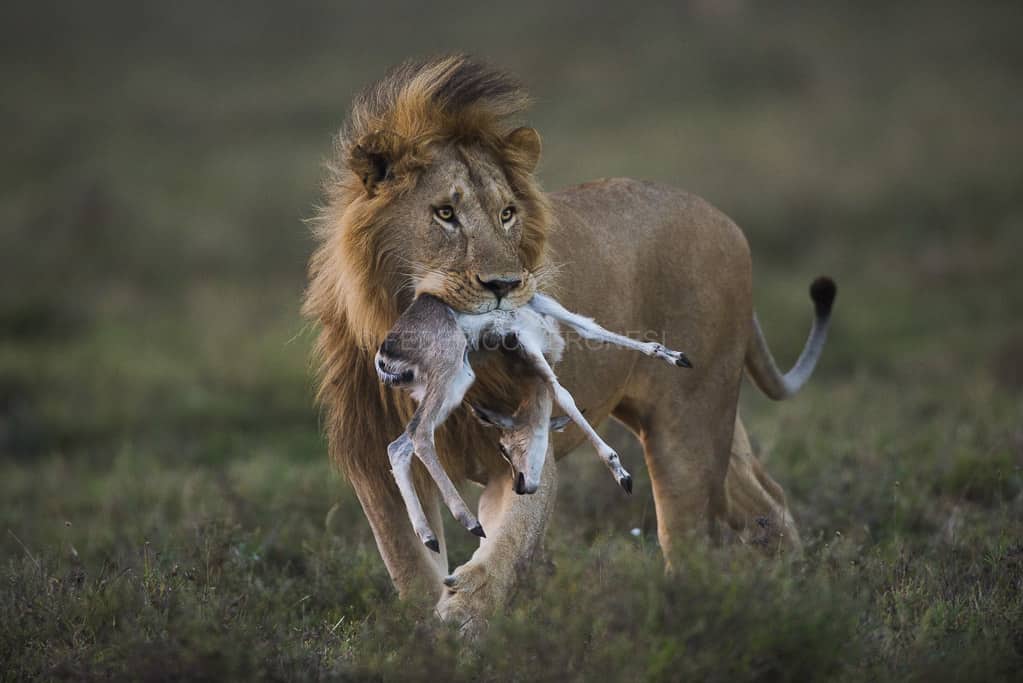
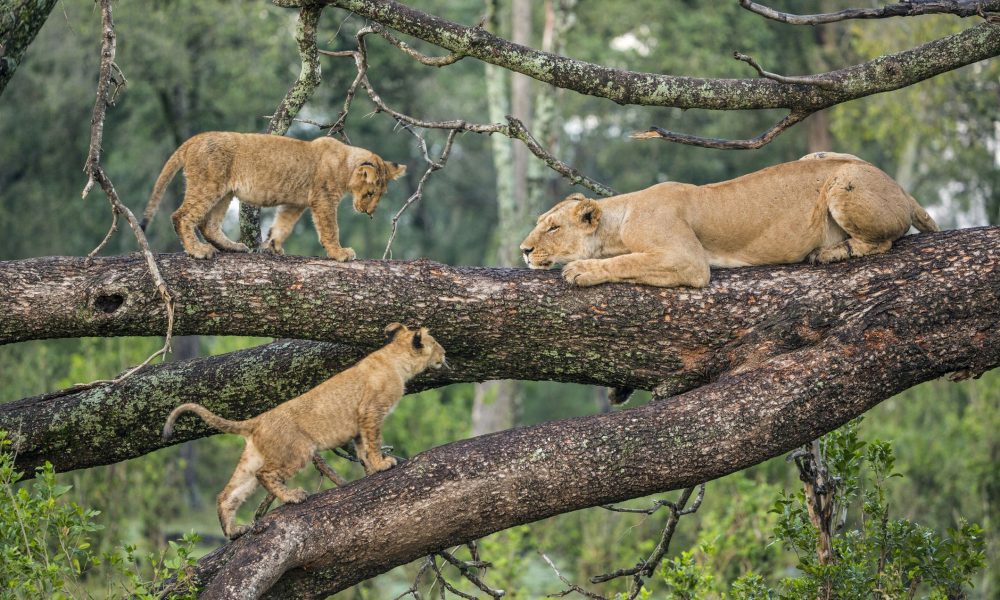
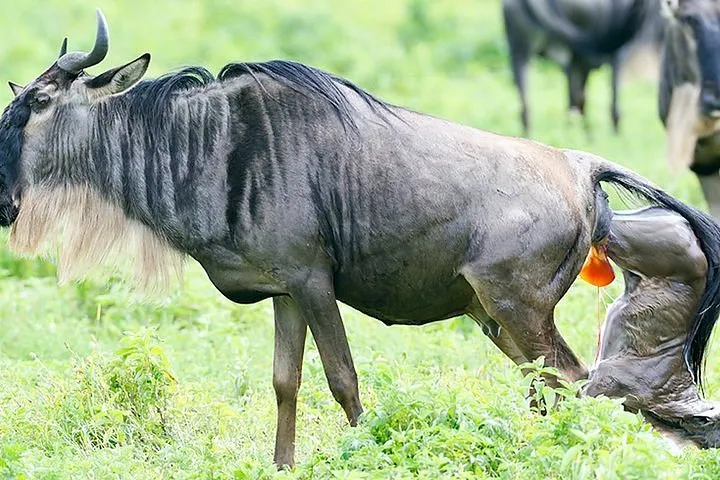
Renowned as one of Africa’s most famous sites, it boasts the highest density of wildlife on the continent. Often called the “eighth wonder of the world,” the crater draws countless visitors each year. While you may see other vehicles, the incredible wildlife viewing and the sheer scale of the landscape make every visit unforgettable. There really is nowhere else in Africa like Ngorongoro.
Geologically, the crater was formed when the cone of a massive volcano collapsed inward. Its name comes from the Maasai phrase “orgirra le kkorongorro,” .
Ngorongoro is the world’s largest intact volcanic caldera, a massive bowl of roughly 265 sq km with walls reaching up to 600 meters high. Around 30,000 animals call this unique environment home at any given time. The rim towers over 2,200 meters above sea level, creating its own climate, often dotted with clouds and cool nights a rare chill for Tanzania.
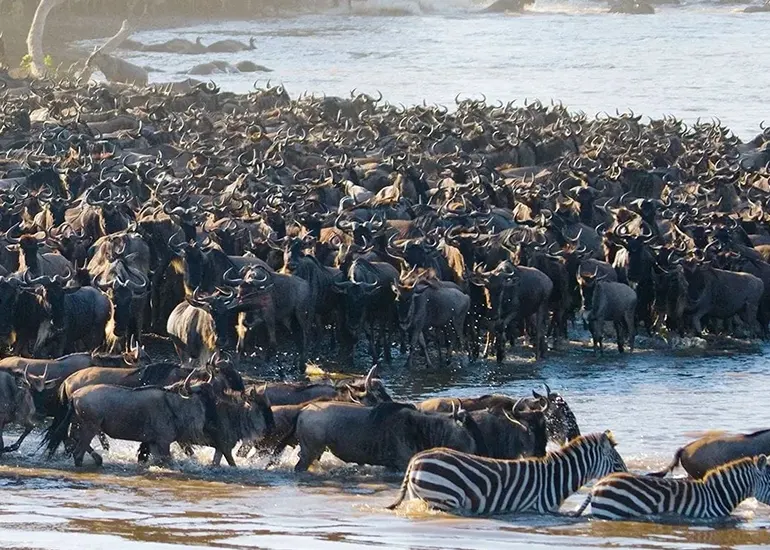
The crater floor is a mosaic of habitats, from grasslands and swamps to forests and Lake Makat (Maasai for “salt”), fed by the Munge River. These diverse environments provide water, shelter, and grazing for wildlife, encouraging many animals grazers and predators alike to stay year-round. Even though animals can move in and out, the rich volcanic soil, abundant springs, and steep crater walls naturally contain most of them, creating one of Africa’s most extraordinary wildlife arenas.
3 Day Tanzania Safari Tarangire National Park and Ngorongoro Conservation Area
5 Day Tanzania Safari Serengeti, Ngorongoro Conversation Area and Lake Manyara
6 Day Tanzania Safari Tarangire, Serengeti, Ngorongoro and Lake Manyara Safari
7 Day Northern Circuit Tarangire, Serengeti, Ngorongoro and Lake Manyara National Park.