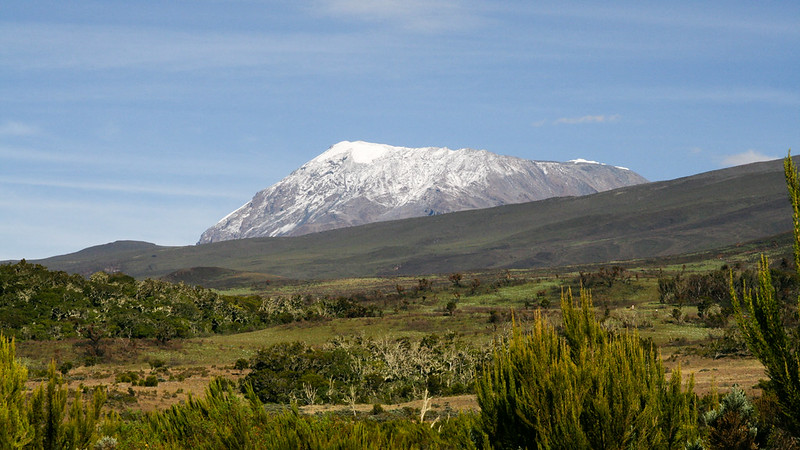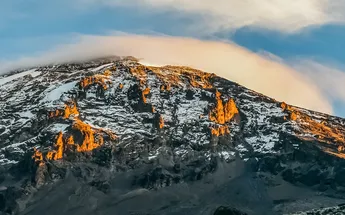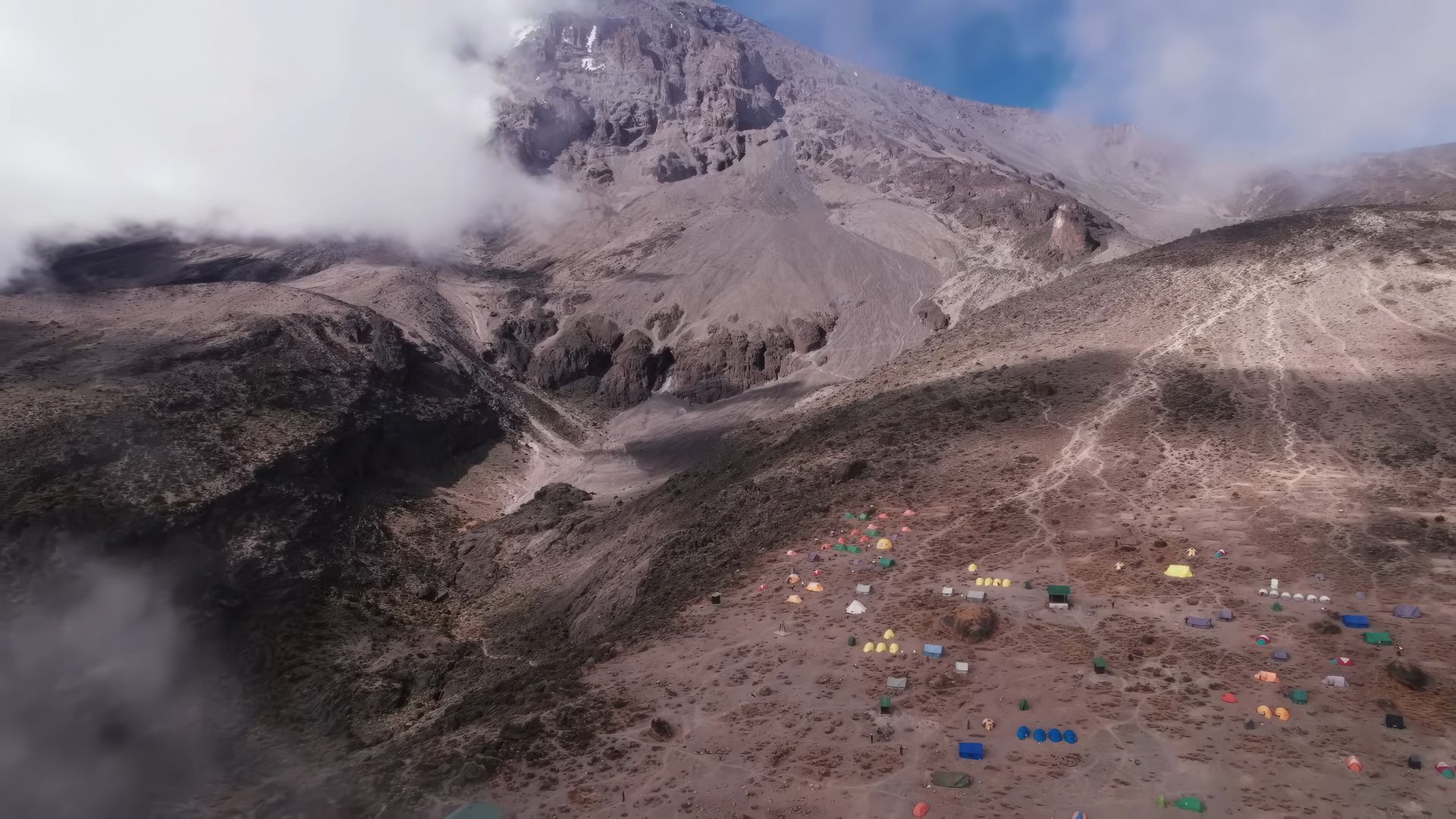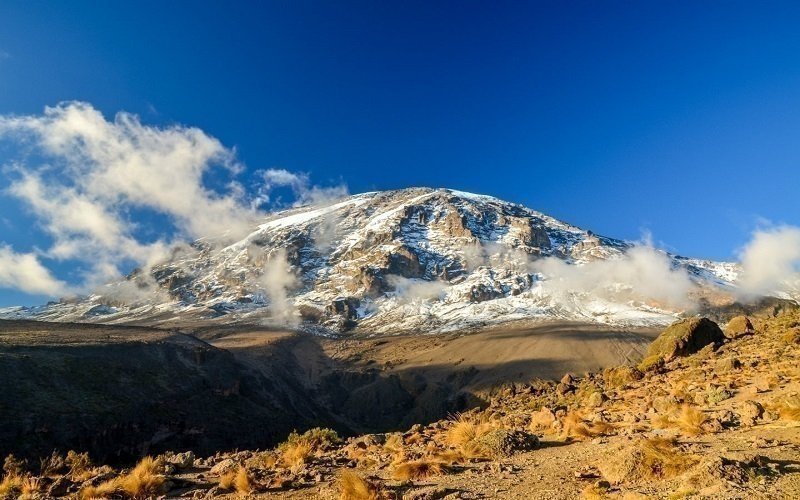
Rising to 5,896 meters, Mount Kilimanjaro stands as Africa’s highest mountain and one of its most breathtaking natural wonders. This majestic peak is made up of three volcanic cones Kibo, Mawenzi, and Shira each contributing to its dramatic silhouette. Even the name “Kilimanjaro” carries an air of mystery, often said to mean “Mountain of Light,” “Mountain of Greatness,” or “Mountain of Caravans,” though its true origin remains uncertain.
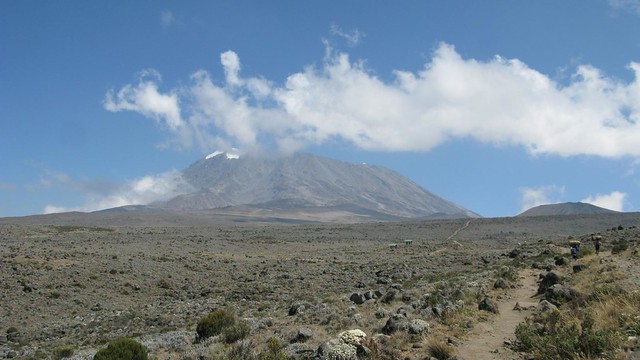
From the plains of northern Tanzania, the mountain rises suddenly above rolling hills and open plateaux, its snow-capped summit often floating above the clouds. Located near the town of Moshi, Kilimanjaro is a protected area where climbing is carefully managed to preserve its natural beauty. What makes the mountain especially remarkable is the diversity of its ecosystems.
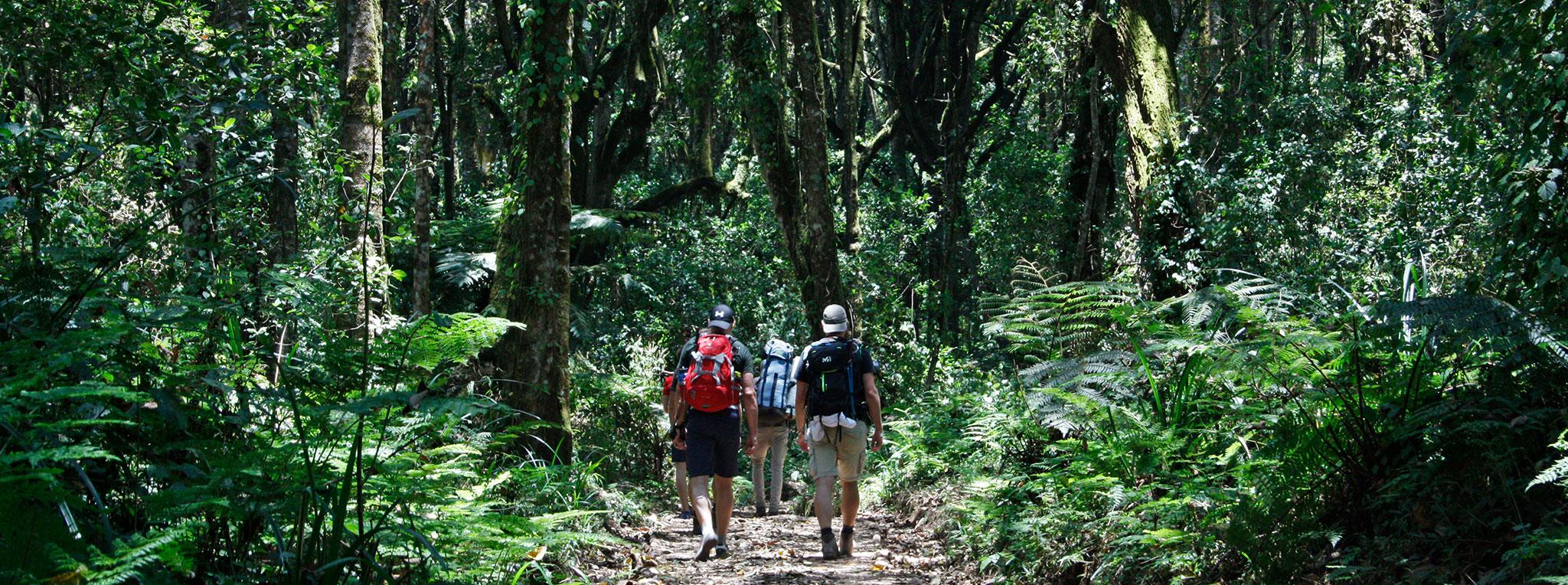
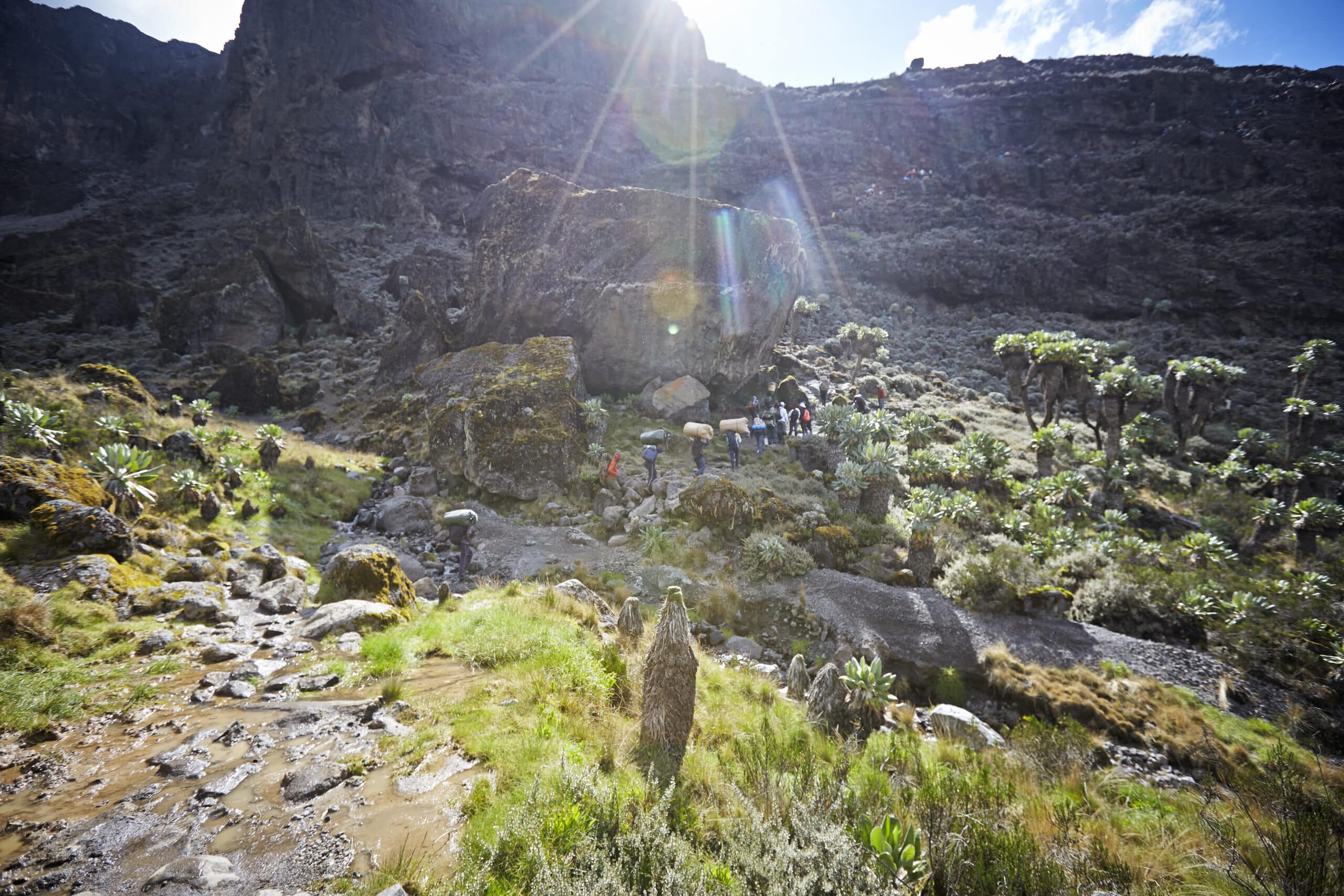
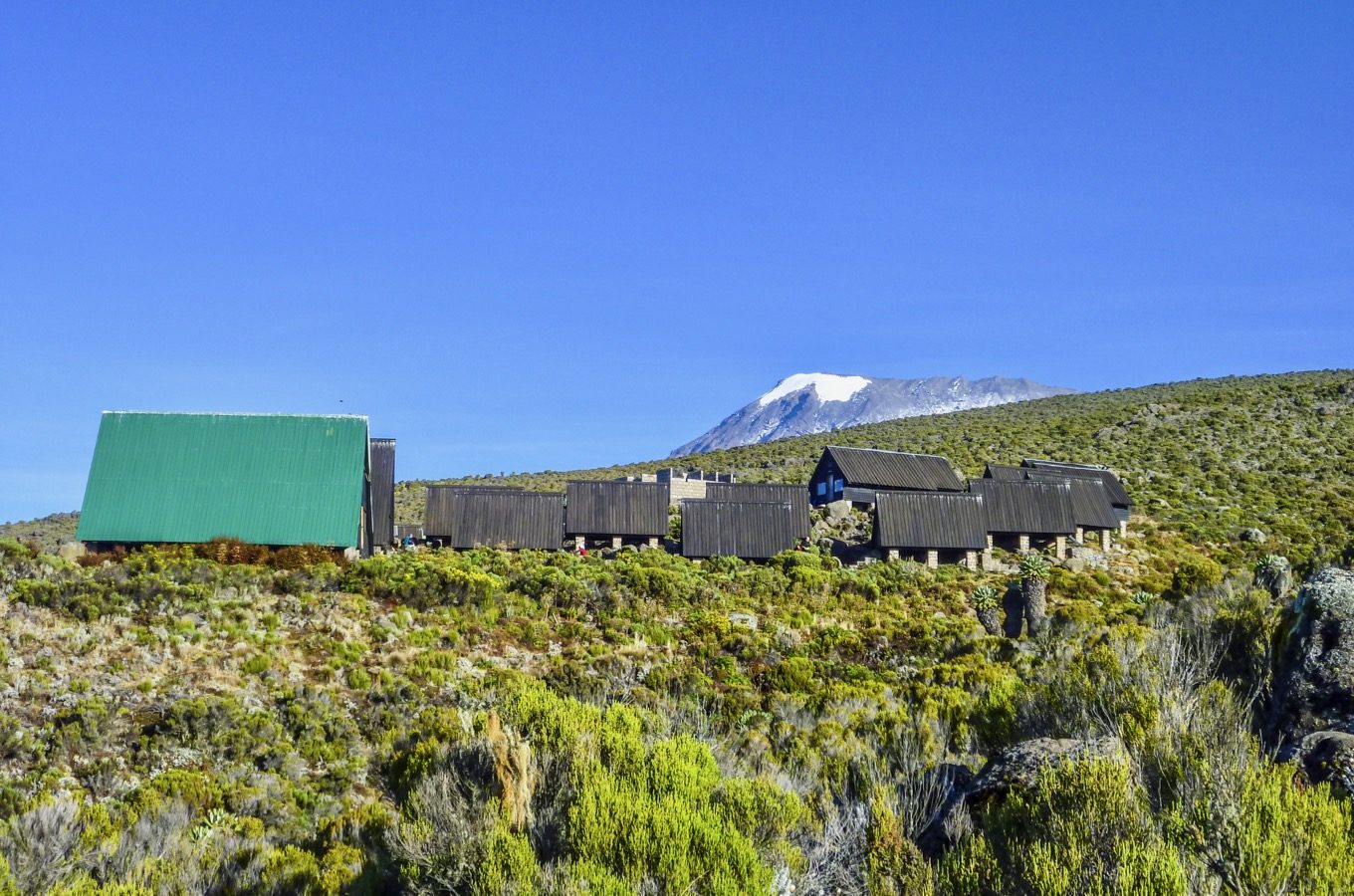
At the base, fertile slopes are covered with farmland where crops like coffee, bananas, cassava, and maize are cultivated. As you move higher, these farmlands give way to dense forest. Further up, the landscape opens into alpine meadows, and eventually transforms into a stark, almost otherworldly terrain of rock and ice near the summit.
Climbing Kilimanjaro is often the highlight of any visit to Tanzania. Few mountains can rival its combination of accessibility and grandeur. From its slopes, climbers can take in sweeping views of Amboseli National Park, the Great Rift Valley, and the Maasai Steppe.
The name “Kilimanjaro” itself remains wrapped in legend. Interestingly, the local Wachagga people never had a single name for the entire mountain. Instead, they referred to its most prominent peak, Kibo once called “Kipoo” which rises above the land like a silent guardian of the continent.